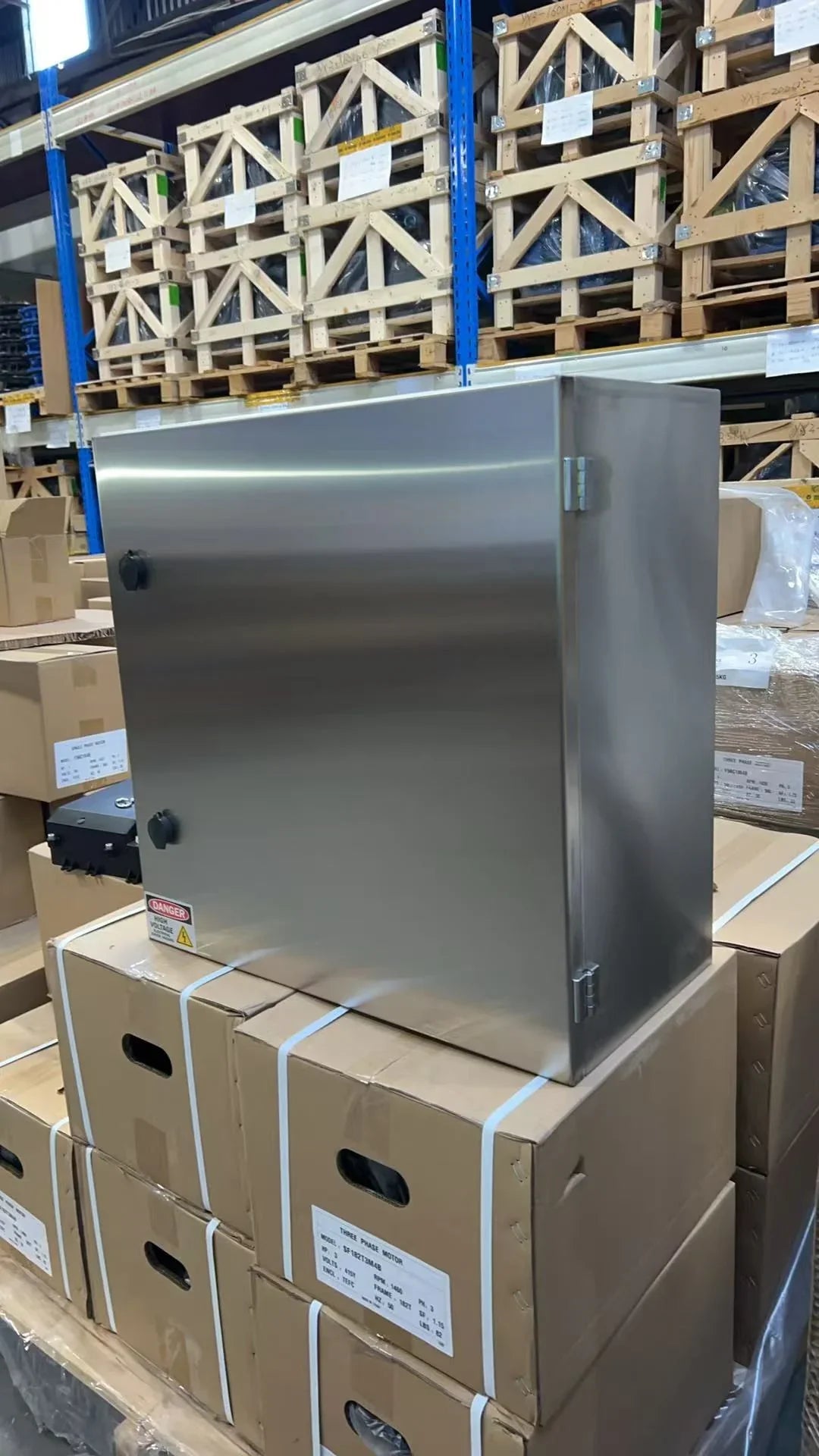
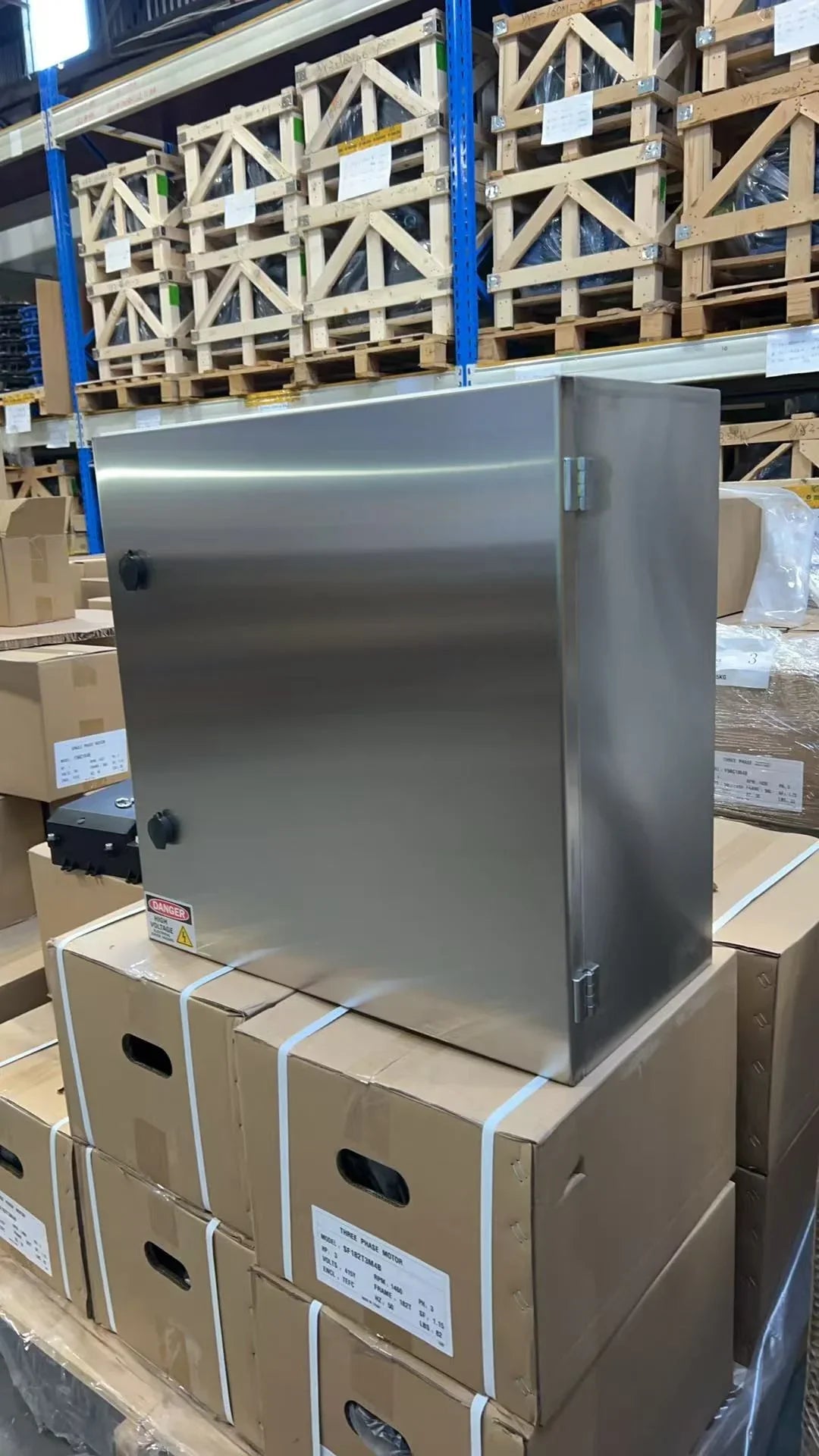
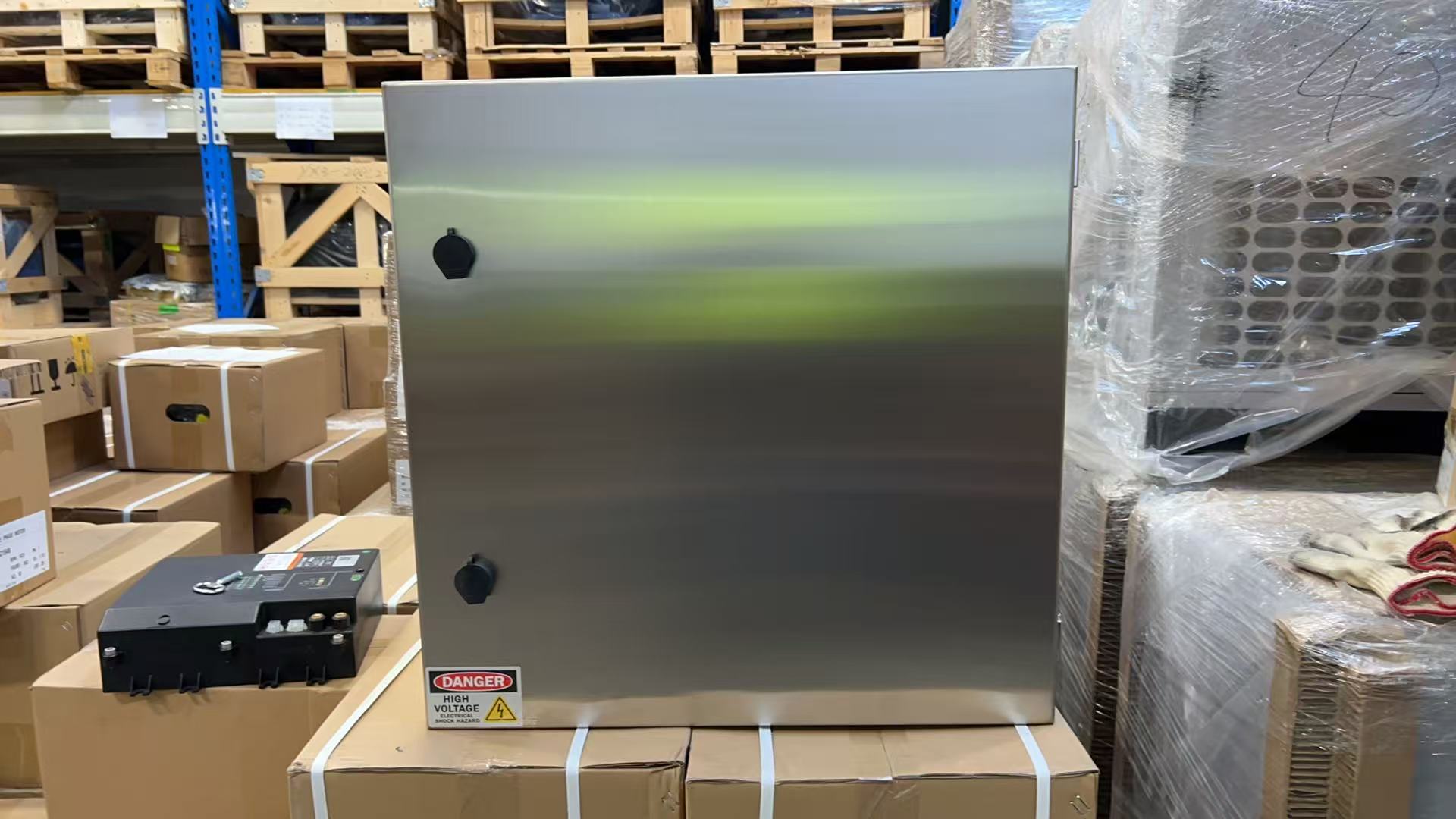
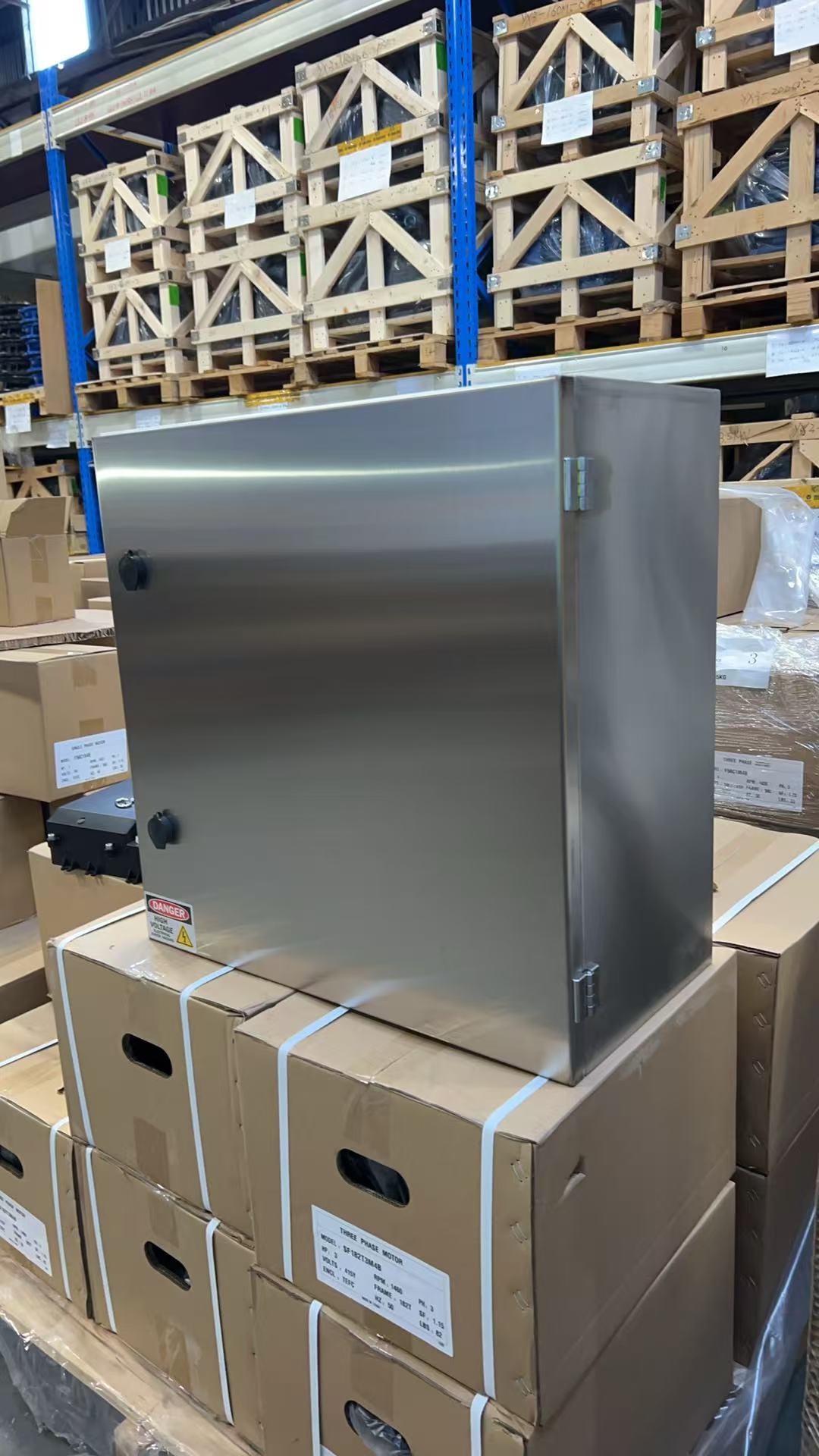
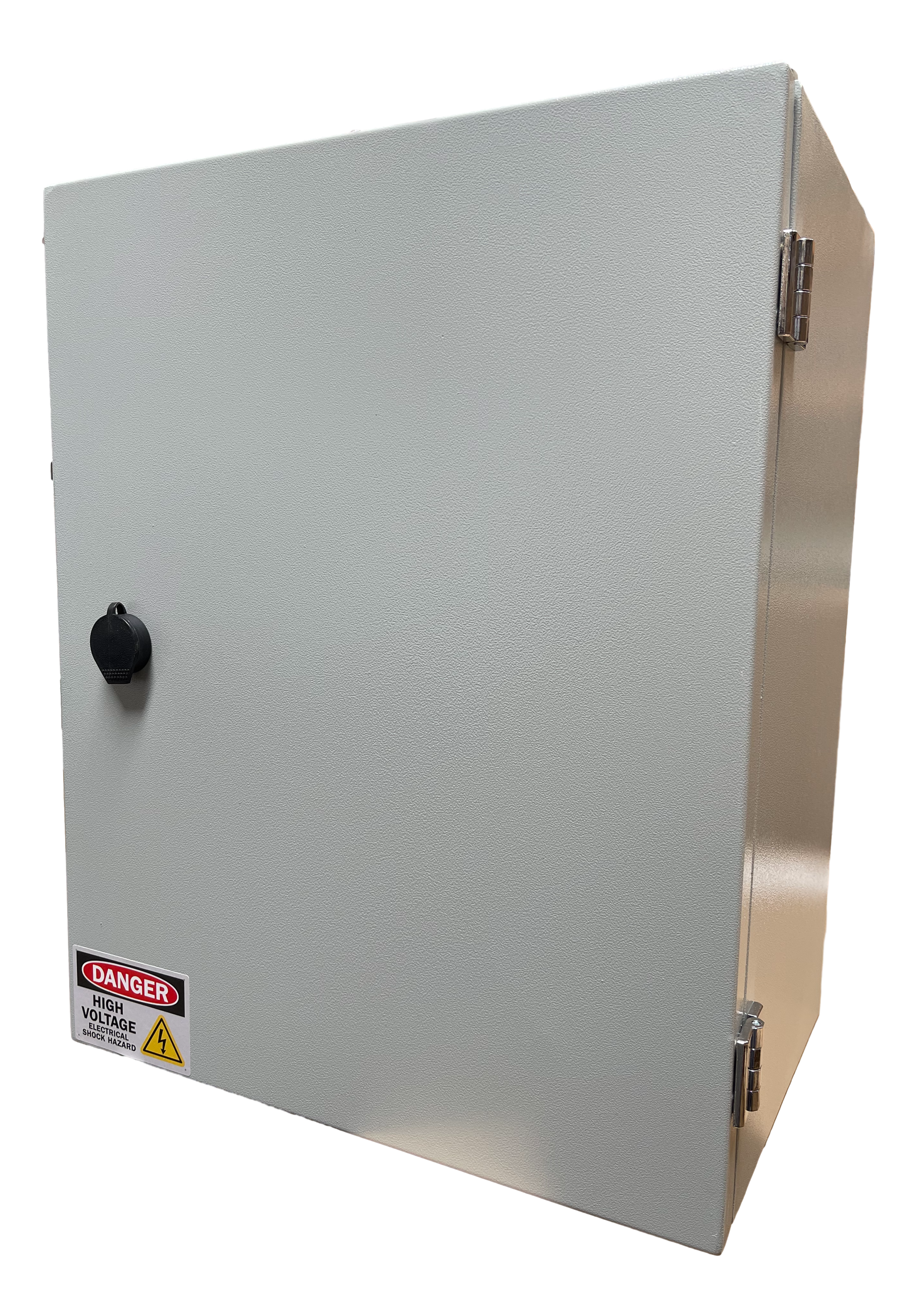
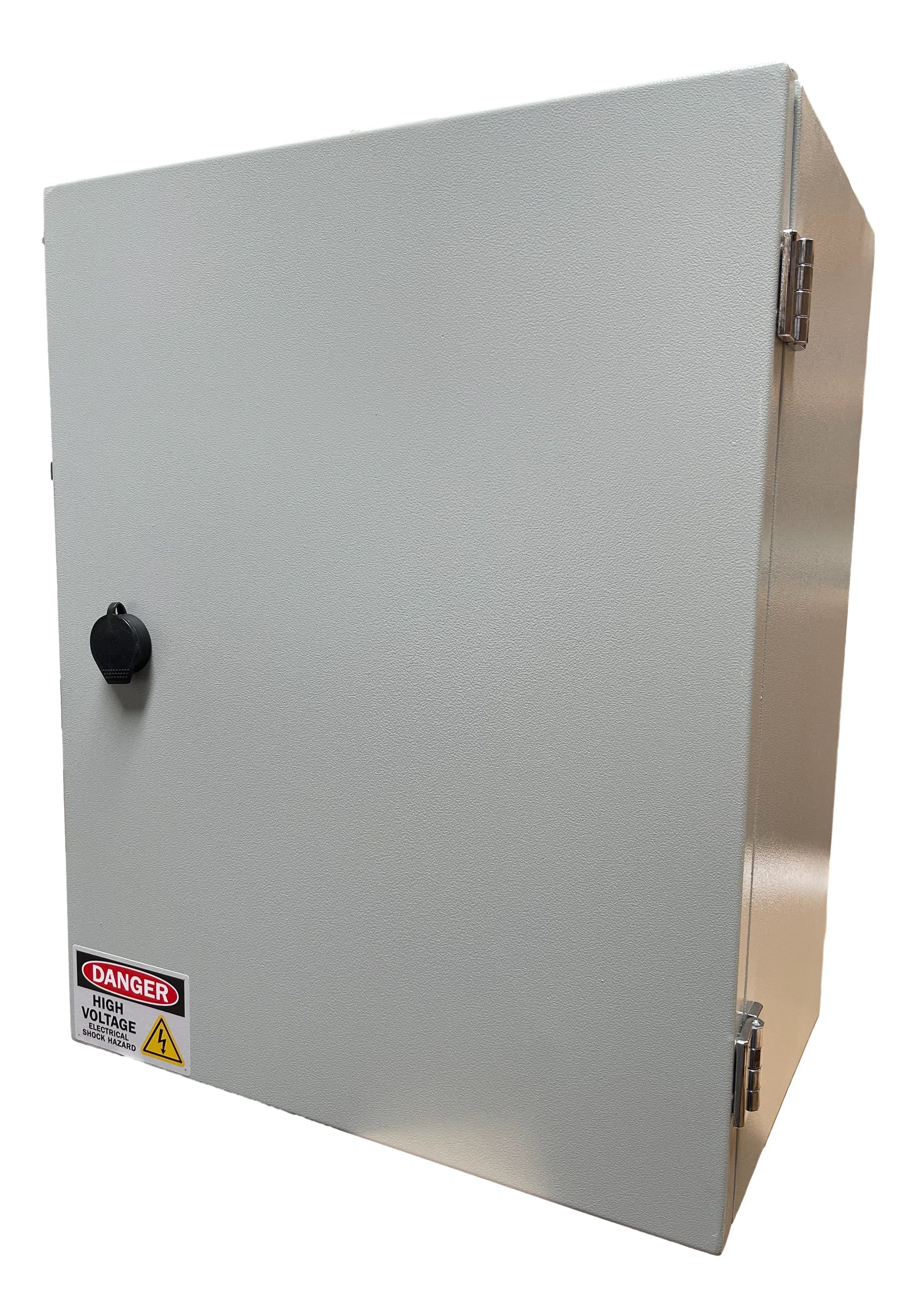
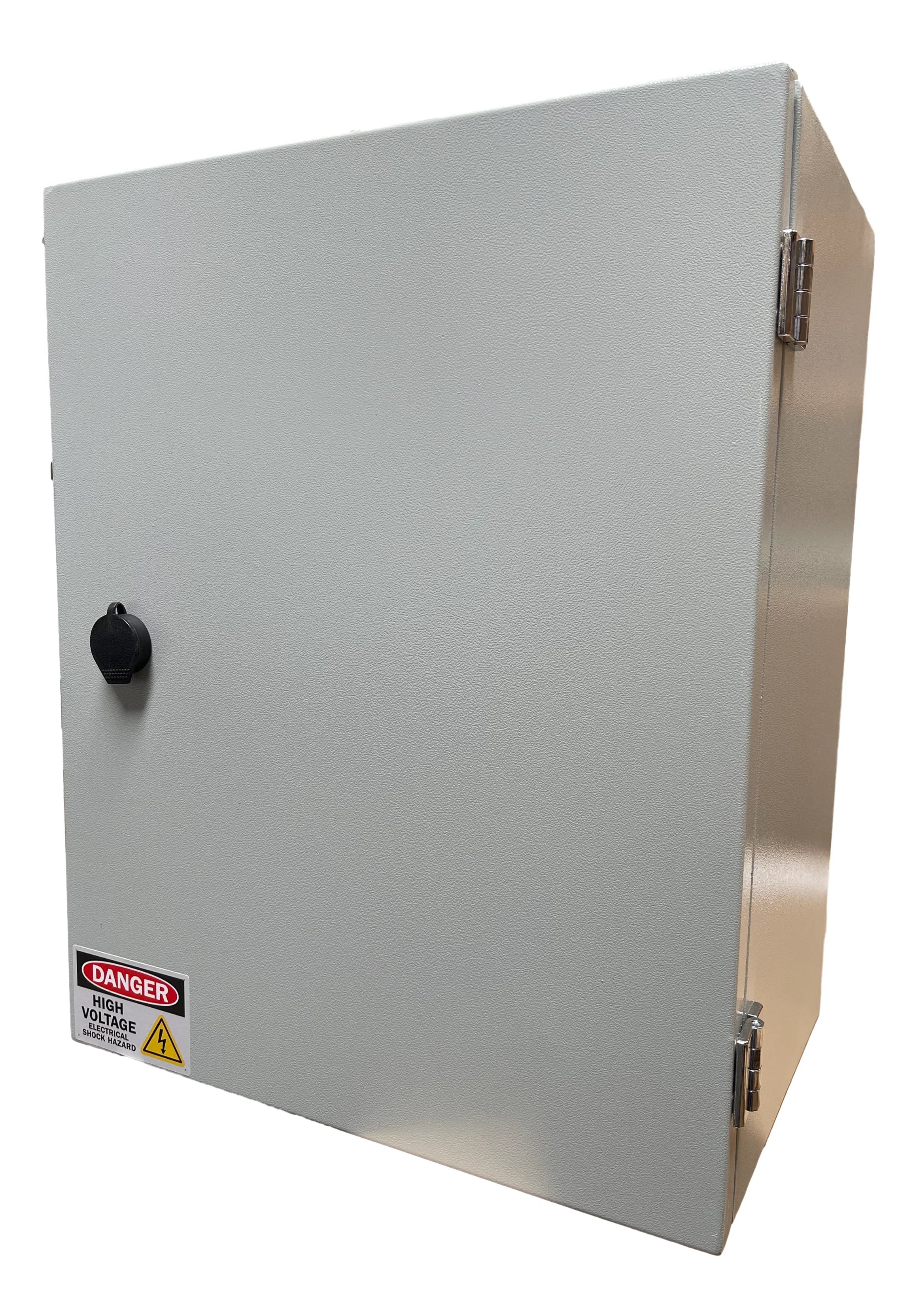
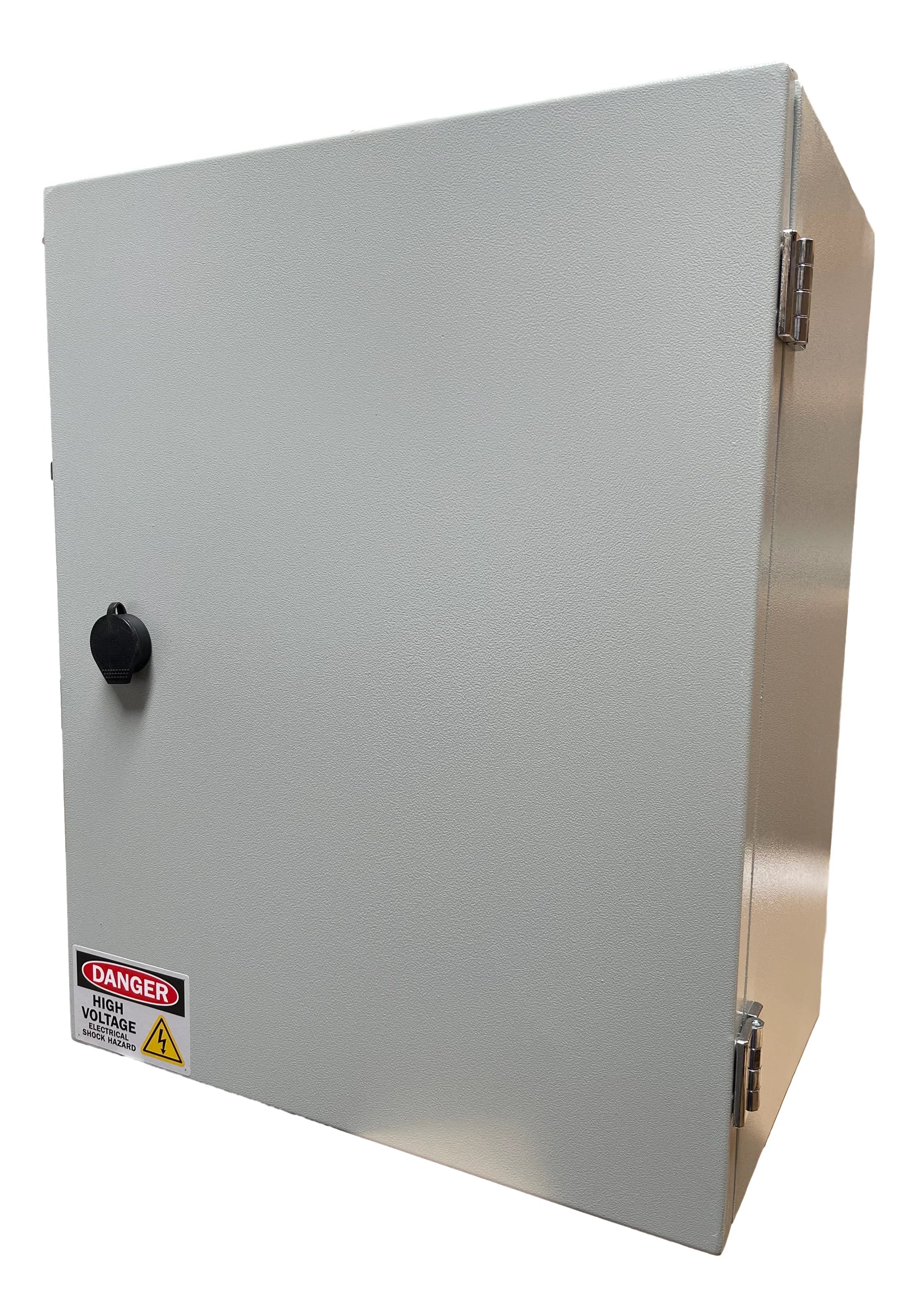
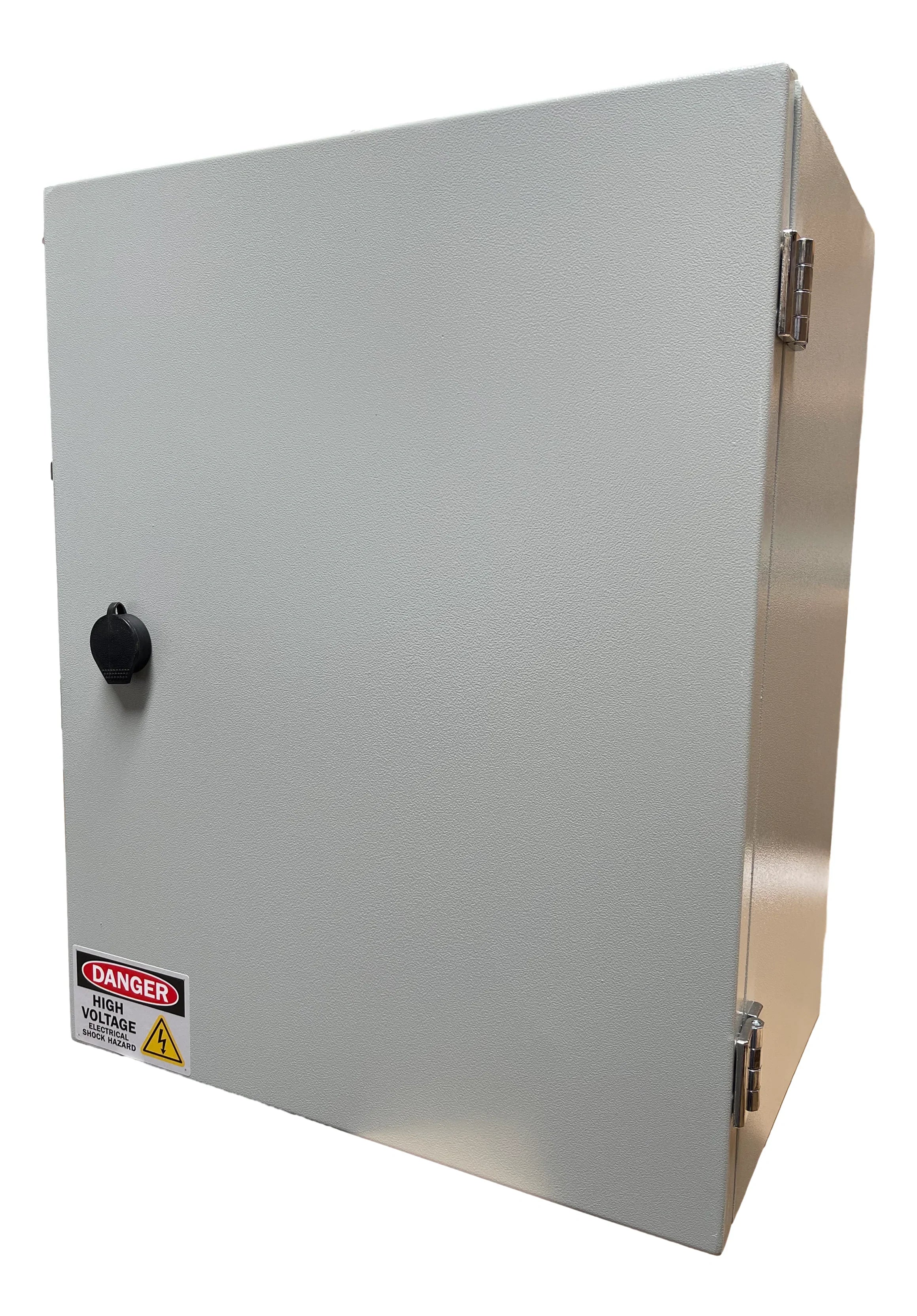
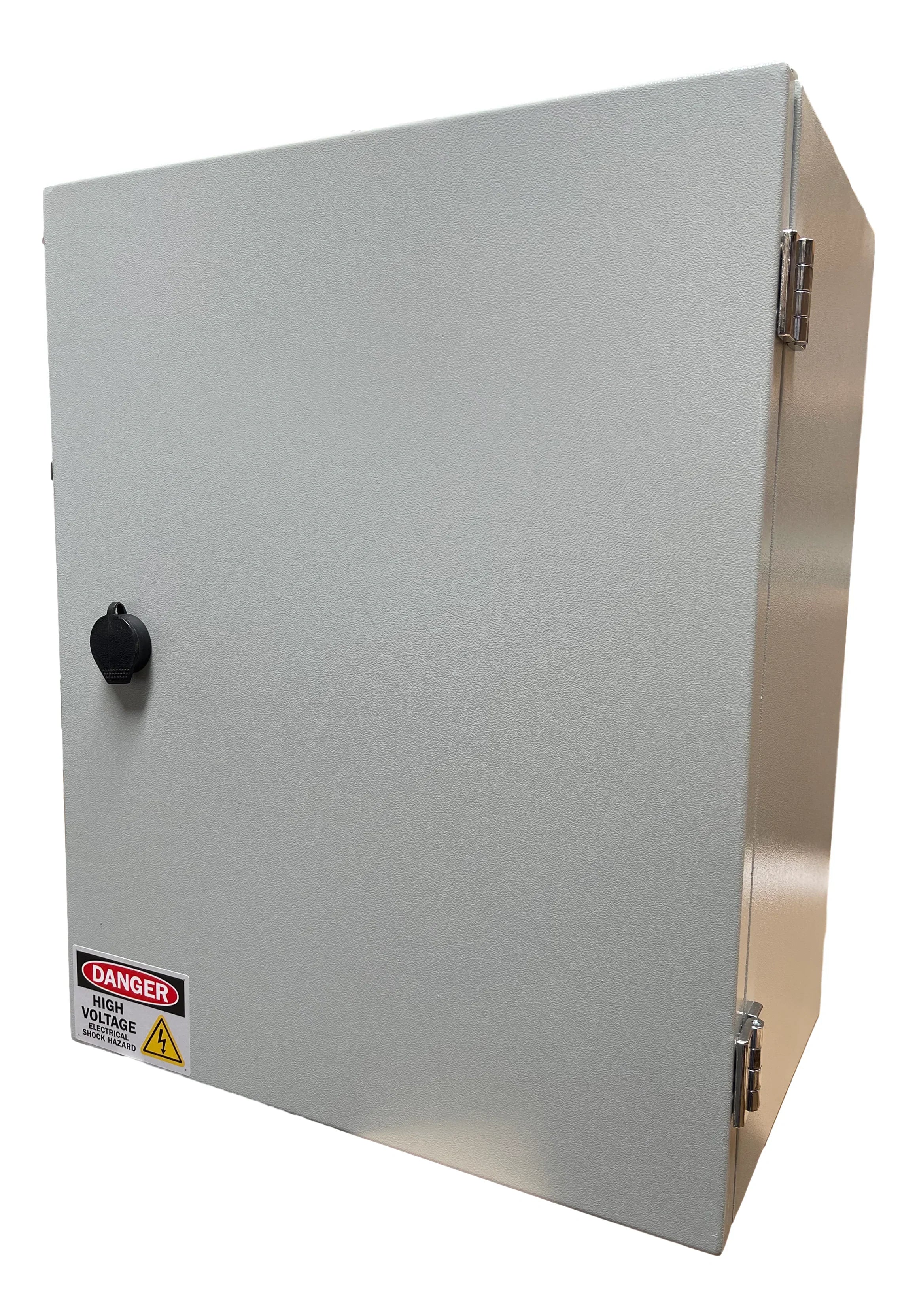
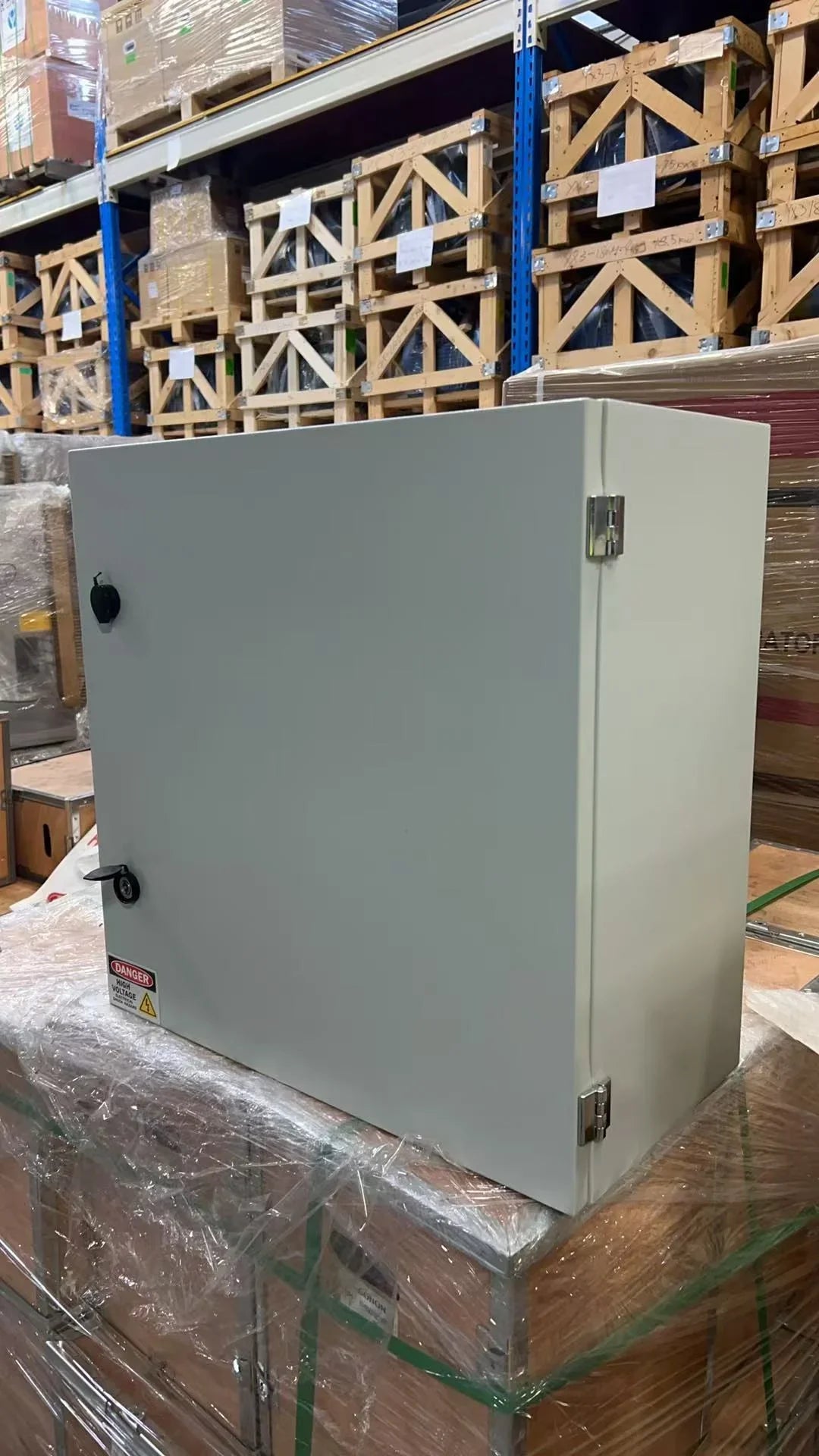
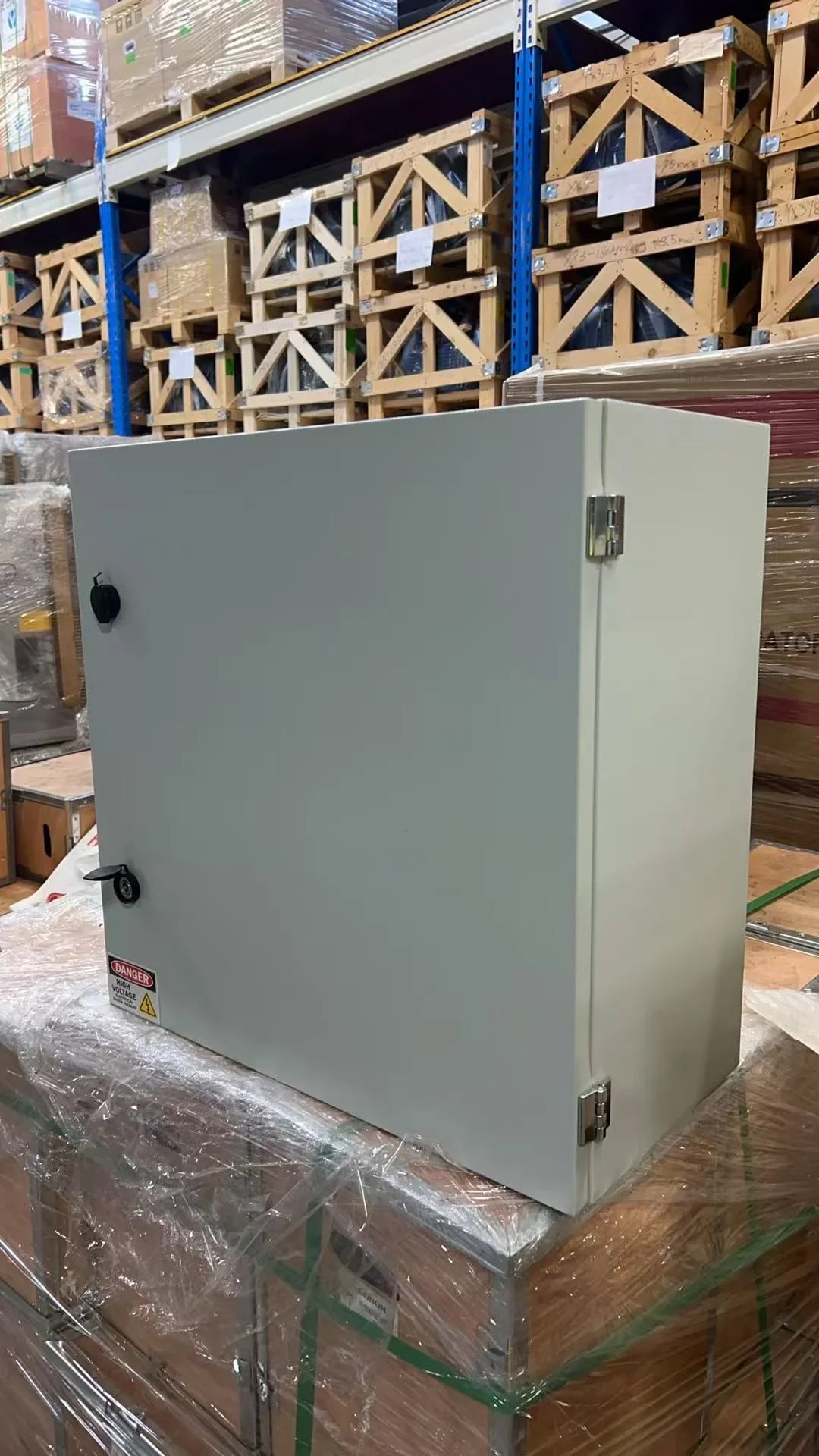
Electrical enclosure box

Choosing the right electrical enclosure box is not only about finding a cabinet that fits your components. In real installations, buyers usually need to compare material, IP rating, usable internal space, mounting method and long term site conditions before deciding which model is the better fit.

At Hanke Motor, this electrical enclosure box collection is built for practical industrial and commercial use. The range includes IP66 wall mount enclosure boxes in both 304 stainless steel and carbon steel, with multiple sizes available for control panels, breakers, terminals, starters, VFD assemblies and other protected electrical setups. Whether you need a compact box for a smaller wiring layout or a larger cabinet for more complex control arrangements, this page makes it easier to compare the most relevant options in one place.

Electrical Enclosure Box Types

304 Stainless Steel Electrical Enclosure Box

A 304 stainless steel electrical enclosure box is usually the stronger option when the installation area has more moisture, corrosion exposure or a harsher working environment. It is commonly selected for food related areas, washdown zones, coastal settings, wet plant rooms and sites where long term corrosion resistance matters more. On this page, stainless steel models are available in multiple sizes, making them suitable for both smaller electrical layouts and larger industrial assemblies.

Carbon Steel Electrical Enclosure Box

A carbon steel electrical enclosure box is often a practical choice for more protected indoor installations, workshop environments and plant rooms where corrosion exposure is lower. For buyers who want a strong and reliable enclosure for general industrial electrical protection, carbon steel can be a more economical option while still giving solid structural support, secure access and IP66 protection.

Compact Electrical Enclosure Box

Smaller enclosure sizes are useful when the internal layout is simple and space needs to stay efficient. These models are commonly chosen for terminal blocks, compact control gear, isolation components and smaller wiring jobs where the enclosure does not need excessive spare room.

Large Wall Mount Electrical Enclosure Box

Larger wall mount electrical enclosure box models are better suited to installations with more internal devices, more cable routing and greater servicing requirements. If the project includes breakers, contactors, VFDs, starters or multiple grouped components, stepping up to a larger cabinet usually makes installation and future maintenance more practical.

How to Choose the Right Electrical Enclosure Box

Choose the Material Based on the Site

Material should be the first major decision. If the site has moisture, regular cleaning, corrosion risk or a tougher working environment, a stainless steel electrical enclosure box is generally the better direction. If the installation is indoors and better protected, a carbon steel electrical enclosure box may be the more practical fit.

Do Not Choose Size by External Dimensions Alone

Many buyers start with outer dimensions, but the more important question is what needs to fit inside the enclosure and how much working space is required around those components. A box may appear large enough at first glance, but once breakers, terminals, cable entry, trunking and clearance for maintenance are considered, a slightly larger enclosure often becomes the better choice.

Think About Cable Entry and Layout Early

An electrical enclosure box should support a neat internal layout rather than force a cramped one. Before selecting a size, it is worth planning cable entry direction, bending space, gland position and future wiring access. This is especially important for installations involving VFDs, control assemblies or grouped switching components.

Match the Enclosure to the Working Environment

The right enclosure depends on the actual site, not just the parts list. A sheltered workshop, a washdown area, a humid plant room and an outdoor service location do not place the same demands on material and finish. Choosing an electrical enclosure box based on the real operating environment usually leads to a better long term result than choosing by price alone.

Consider Access, Security and Maintenance

For many installations, the enclosure will need to be opened for inspection, servicing or upgrades over time. That means the door design, lock arrangement and internal space should all support practical maintenance. On larger assemblies, double lock catch designs can also be a useful consideration where stronger door stability and more secure closure are needed.

Common Applications for an Electrical Enclosure Box

An electrical enclosure box is commonly used in industrial and commercial setups where electrical components need to be protected, organised and kept secure. Depending on size and layout, these enclosures may be used for:

  • control panels
  • breakers and isolators
  • terminal connections
  • contactors and relays
  • VFD and motor control assemblies
  • machinery electrical protection
  • plant room electrical installations
  • general wall mount industrial electrical setups

Why Choose Hankemotor's Electrical Enclosure Box

Hankemotor's electrical enclosure box is designed to make product comparison easier for buyers who already know they need an IP66 wall mount electrical enclosure box but still need to decide on the right material, size and construction level. Instead of looking through unrelated cabinet types, you can compare enclosure box options here by the features that usually matter most in real projects: stainless steel or carbon steel, compact or large format, standard construction or double lock catch, and enclosure size suited to your internal assembly.

If you are sourcing an electrical enclosure box for a control panel, machinery wiring project or industrial installation, this range is built to help you move from broad product research to a more practical purchasing decision.

Read more
Filter13 - 24 of 27 results
Sort by Best selling

Choosing the right electrical enclosure box isn't only about finding a cabinet that fits your components. Buyers usually need to compare material, IP rating, usable internal space, mounting method and long-term site conditions before deciding which model fits.

HankeMotor stocks IP66 rated electrical enclosure boxes in carbon steel (powder coated) and 304 stainless steel, covering 27 sizes from compact junction boxes to large cabinet installations — suitable for control panels, motor starters, switchgear, and distribution boards.

✓ 27 sizes in stock — carbon steel & 304 stainless steel
✓ IP66 rated, dust-tight and powerful water jet protected
✓ Double lock catch on larger cabinets (500×700mm and up)
✓ Melbourne warehouse, dispatched within 24 hours

Electrical Enclosure Box Types

304 Stainless Steel
The stronger option where the installation has moisture, corrosion exposure, or a harsher working environment — food-related areas, washdown zones, and wet plant rooms. Available in multiple sizes for both smaller layouts and larger industrial assemblies.
Carbon Steel
A practical, more economical choice for protected indoor installations, workshop environments and plant rooms with lower corrosion exposure — still gives solid structural support, secure access and IP66 protection.
Compact Enclosures
Useful when the internal layout is simple and space needs to stay efficient — terminal blocks, compact control gear, isolation components, smaller wiring jobs.
Large Wall Mount Enclosures
Better suited to installations with more internal devices, cable routing and servicing requirements — breakers, contactors, VFDs, starters or multiple grouped components.

IP Rating Comparison — Which Protection Level Do You Need?

The IP (Ingress Protection) rating tells you exactly what the enclosure resists. The first digit (6) means dust-tight; the second digit means water protection level. For Australian outdoor industrial use, IP66 is the standard minimum.

IP Rating Dust Protection Water Protection Typical Application
IP65 Dust-tight Protected against water jets (low pressure) Indoor light industrial, sheltered outdoor
IP66 Dust-tight Protected against powerful water jets (any direction) Outdoor industrial, mining, construction sites
IP67 Dust-tight Temporary immersion to 1m for 30 minutes Below-grade installations, flood-prone areas
IP68 Dust-tight Continuous submersion (depth/time per manufacturer) Underwater, marine hull installations

For most Australian outdoor switchboard and motor control applications — including coastal, mining, and processing plant installations — IP66 is the required minimum. If the enclosure may be temporarily submerged, IP67 is the correct specification.

Carbon Steel vs 304 Stainless Steel — Material Selection Guide

Material choice is determined by the installation environment. Using carbon steel in a corrosive environment causes premature rust-through; using stainless steel in a standard dry indoor environment is unnecessary cost.

Material Finish Best For Not Suitable For
Carbon Steel Powder coated (RAL 7035 light grey) Dry industrial, protected outdoor, standard commercial High humidity, coastal (within 2km of salt water), chemical splash
304 Stainless Steel Brushed or satin finish Food and beverage, clean room, light chemical exposure, general corrosion resistance Heavy marine/coastal environments, chloride-heavy atmospheres — see note below
Coastal or heavy chemical environment? 304 stainless can show surface rust from chloride pitting within 3–5 years in marine/coastal atmospheres (within 2km of salt water). If your site needs a higher corrosion grade (e.g. 316L), this isn't a standard item in our current range — call 0401 634 280 or email hankemotors@gmail.com and we'll source the right specification.

How to Choose the Right Electrical Enclosure Box

Choose material by site: moisture, cleaning routine or corrosion risk points to 304 stainless. Protected indoor sites suit carbon steel.
Don't size by external dimensions alone: what needs to fit inside, and the working space around it, matters more than outer size.
Plan cable entry early: entry direction, bending space, gland position and future wiring access — especially important for VFDs and grouped switching.
Match the enclosure to the real environment: a sheltered workshop, washdown area, humid plant room and outdoor site all place different demands on material and finish.
Plan for access and maintenance: door design, lock arrangement and internal space should support inspection and servicing over time.

Sizing an Electrical Enclosure — Internal Volume Calculation

The most common sizing error is choosing an enclosure that fits the components but leaves no room for wiring, cable management, and service access. Industry rule of thumb: size the enclosure 40% larger than the calculated component footprint.

List all components: DIN rail breakers, contactors, relays, terminals, PLC, panel-mounted VFD
Calculate total DIN rail length required (most breakers/terminals use 35mm DIN rail)
Add 40% margin to total component height for wiring space and cable trays
Check door clearance — VFDs and large contactors may need deeper enclosures (min 200mm depth for a 7.5kW VFD)
Worked example: a motor starter panel for one 2.2kW motor — contactor (45mm) + thermal overload relay (45mm) + circuit breaker (35mm) + terminals (80mm) = 205mm total. Add 40% margin = 300mm minimum panel height. A 300×400mm enclosure suits this installation (in stock, carbon steel and 304 stainless).

Common Applications

Control panels
Breakers and isolators
Terminal connections
Contactors and relays
VFD and motor control assemblies
Machinery electrical protection
Plant room installations
General wall mount setups

Not the Right Enclosure If:

VFD panel-mounting required: VFDs generate significant heat and need specific clearances. Standard enclosures may need ventilation fans or heat exchangers for panel-mounted VFDs above 2.2kW — confirm heat dissipation before specifying.
Hazardous area classification (Zone 0, 1, or 2): IP66 isn't sufficient for explosive atmospheres. Ex-rated enclosures with ATEX/IECEx certification are required — not standard catalogue items, contact us for a specialist referral.
Polycarbonate/GRP required: carbon and stainless steel conduct electricity. For high-voltage applications needing non-conductive enclosures, a GRP or polycarbonate enclosure is correct — contact us to discuss.

Electrical Enclosure FAQ

What is the difference between IP65 and IP66 enclosures?
Both are dust-tight (first digit 6). The difference is the water jet test: IP65 is tested against low-pressure water jets; IP66 is tested against powerful water jets from any direction at higher pressure and longer duration. For Australian outdoor industrial use, IP66 is the recommended minimum. IP65 is only adequate for sheltered outdoor or light indoor industrial where the enclosure won't face direct hose washdown.
Is 304 stainless steel suitable for coastal or marine environments?
304 stainless resists general corrosion well but is vulnerable to chloride-induced pitting in salt air — within 2km of the Australian coast, 304 enclosures can show surface rust within 3–5 years. For dry industrial, food and beverage, or general commercial use, 304 is a solid choice. For marine installations, water treatment plants, or coastal QLD/NSW/WA sites needing a higher corrosion grade (e.g. 316L), that's not a standard item in our current range — contact us and we'll source the right specification.
How do I select the correct cable gland size for my enclosure?
Cable gland size is determined by the cable's outer diameter, not the conductor cross-section. Measure the cable's overall OD and select a gland rated for that range. Common Australian sizes: M16 suits 5–10mm OD (1.5–2.5mm² single phase); M20 suits 7–13mm OD (2.5–4mm² 3-phase); M25 suits 13–18mm OD (6–10mm² 3-phase). Always measure OD before ordering glands — conductor area alone doesn't determine it.
Can I mount a VFD inside a standard IP66 enclosure?
Yes, with proper heat management. VFDs generate heat proportional to their power rating — typically 3–5% of rated output as heat. A 7.5kW VFD dissipates approximately 225–375W inside the enclosure. Without ventilation, internal temperature rises above the VFD's ambient limit (typically 40°C), causing derating or shutdown. For VFDs above 2.2kW panel-mounted in a sealed IP66 enclosure, install a filter fan or heat exchanger sized to the VFD's heat dissipation rating. Never run the enclosure with the door open as a substitute for thermal management.
What wall thickness do HankeMotor enclosures use?
Carbon steel enclosures in this range typically use 1.2–1.5mm cold-rolled steel plate, depending on cabinet size — smaller sizes (up to around 400mm) use 1.2mm, larger cabinets step up to 1.5mm for structural rigidity. 304 stainless steel enclosures use 1.2–1.5mm as standard on the same size basis. Wall thickness affects rigidity for panel mounting — for heavy equipment or thick DIN rail assemblies, confirm the enclosure's back panel can support the weight before installing.
Not sure which size or material fits your project? Call 0401 634 280 or email hankemotors@gmail.com
Our Glen Waverley team can confirm sizing and material before you order.

Electrical Enclosure FAQ

What is the difference between IP65 and IP66 enclosures?
Both IP65 and IP66 are dust-tight (first digit 6). The difference is the water jet test: IP65 is tested against water jets from a nozzle at low pressure; IP66 is tested against powerful water jets from any direction at higher pressure and longer duration. For Australian outdoor industrial use, IP66 is the recommended minimum. IP65 is only adequate for sheltered outdoor or light indoor industrial where the enclosure will not be directly exposed to hose washdown.
Why use 316L stainless instead of 304 stainless for enclosures?
316L stainless steel contains 2–3% molybdenum, which 304 does not. Molybdenum dramatically improves resistance to chloride-induced pitting corrosion — the mechanism responsible for rust spots and eventual perforation of 304 stainless in salt air environments. Within 2 km of the Australian coast, 304 stainless enclosures typically show surface rust within 3–5 years. 316L resists this significantly longer. For marine installations, water treatment plants, or any coastal Queensland, NSW, or WA site, specify 316L.
How do I select the correct cable gland size for my enclosure?
Cable gland size is determined by the cable outer diameter, not the conductor cross-section. Measure the cable's overall outside diameter (OD) and select a gland rated for that range. Common gland sizes for Australian industrial cable: M16 suits 5–10 mm OD cable (1.5–2.5 mm² single phase); M20 suits 7–13 mm OD (2.5–4 mm² 3-phase); M25 suits 13–18 mm OD (6–10 mm² 3-phase). For multicore control cable, always measure the OD before ordering glands — conductor area alone does not determine OD.
Can I mount a VFD inside a standard IP66 enclosure?
Yes, with proper heat management. VFDs generate heat proportional to their power rating — typically 3–5% of rated output power as heat dissipation. A 7.5 kW VFD dissipates approximately 225–375 W of heat inside the enclosure. Without ventilation, internal temperature will rise above the VFD's ambient temperature limit (typically 40°C), causing derating or shutdown. For VFDs above 2.2 kW panel-mounted in a sealed IP66 enclosure, install a filter fan or heat exchanger sized to the VFD's heat dissipation rating. Never run the enclosure with the door open as a substitute for thermal management.
What wall thickness do HankeMotor enclosures use?
Carbon steel enclosures in this range typically use 1.2–2 mm cold-rolled steel plate for the body and 2 mm for the door, depending on the overall cabinet size. Larger cabinets (600 × 800 mm and above) use thicker gauge steel for structural rigidity. Stainless steel enclosures use 1.5 mm 316L grade material as standard. Wall thickness affects rigidity for panel mounting — for heavy equipment or thick DIN rail assemblies, confirm the enclosure's back panel can support the weight before installing.