
PRICE DROP
Air Compressor Pump — Prices reduced 21 August 2026
—
900+ products, most now 15% lower
Air Compressor Pump
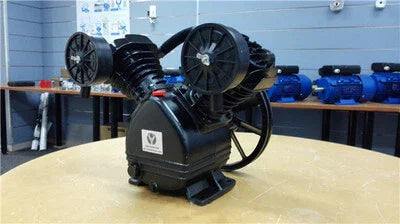
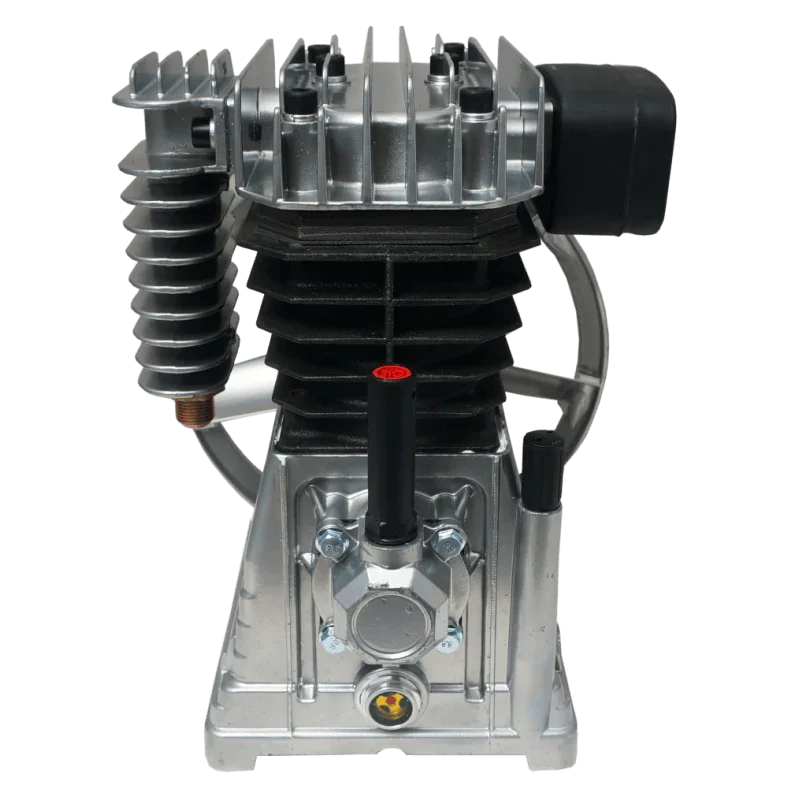
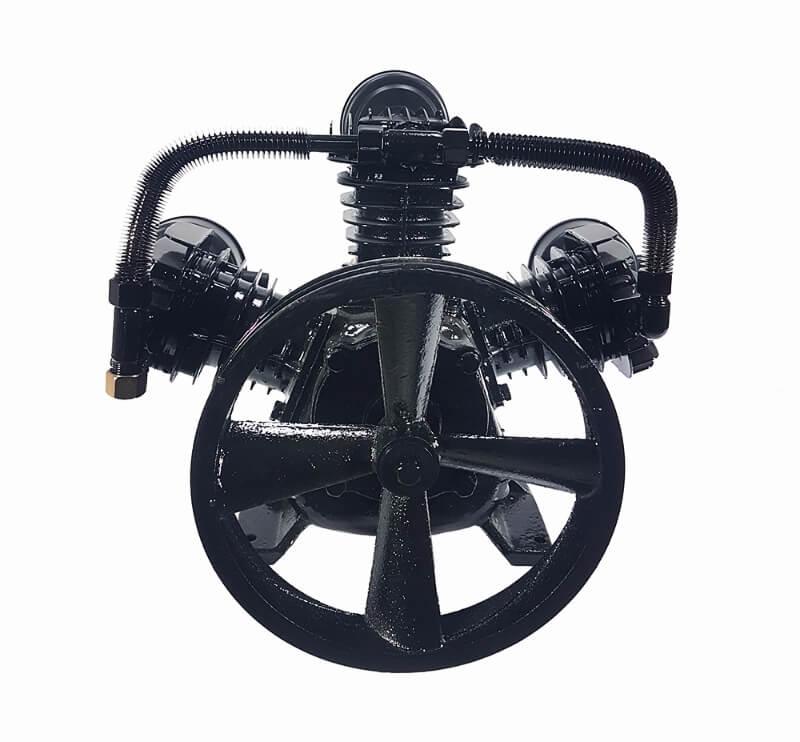
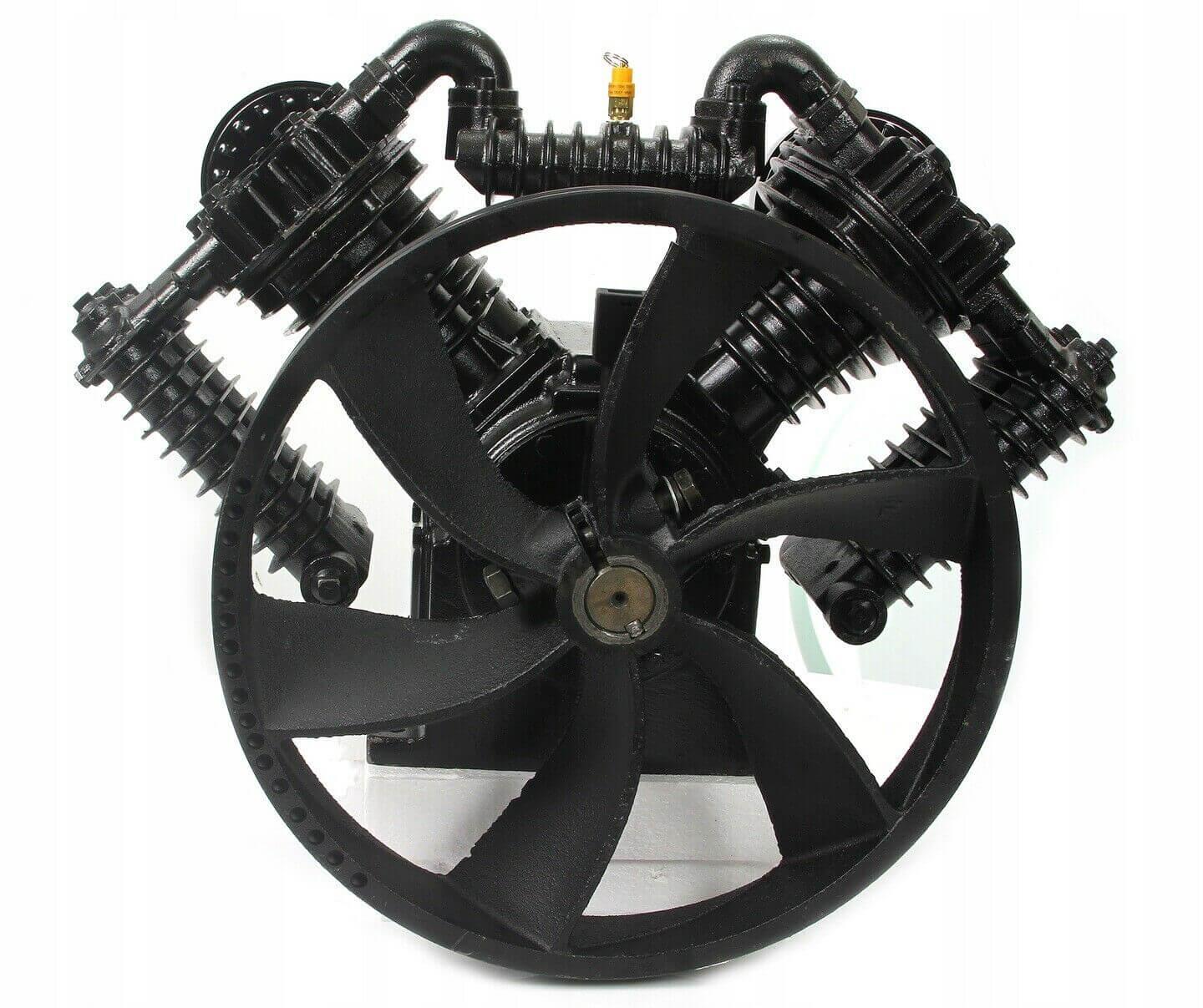

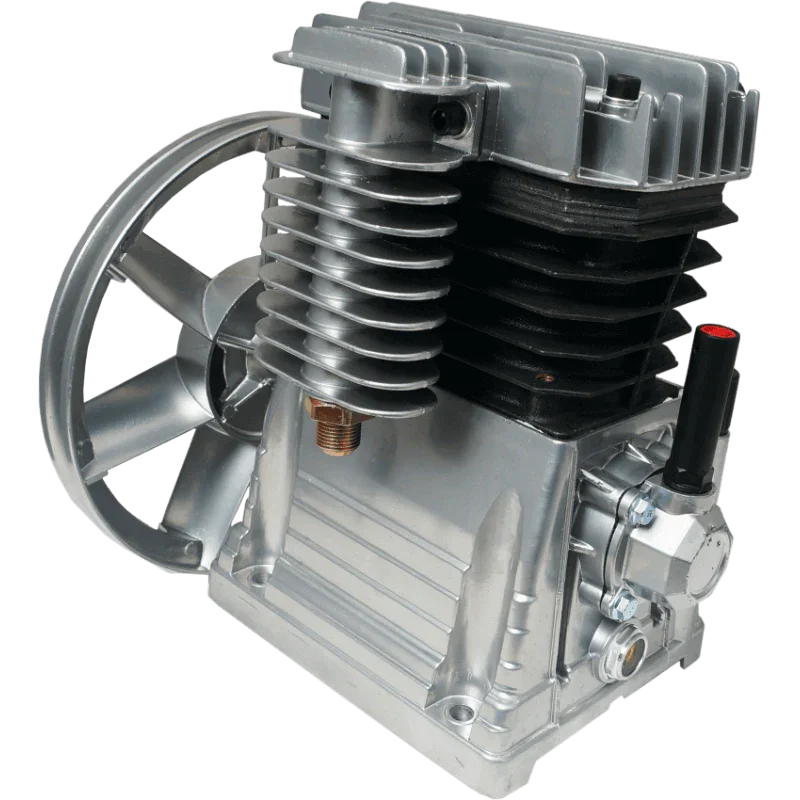

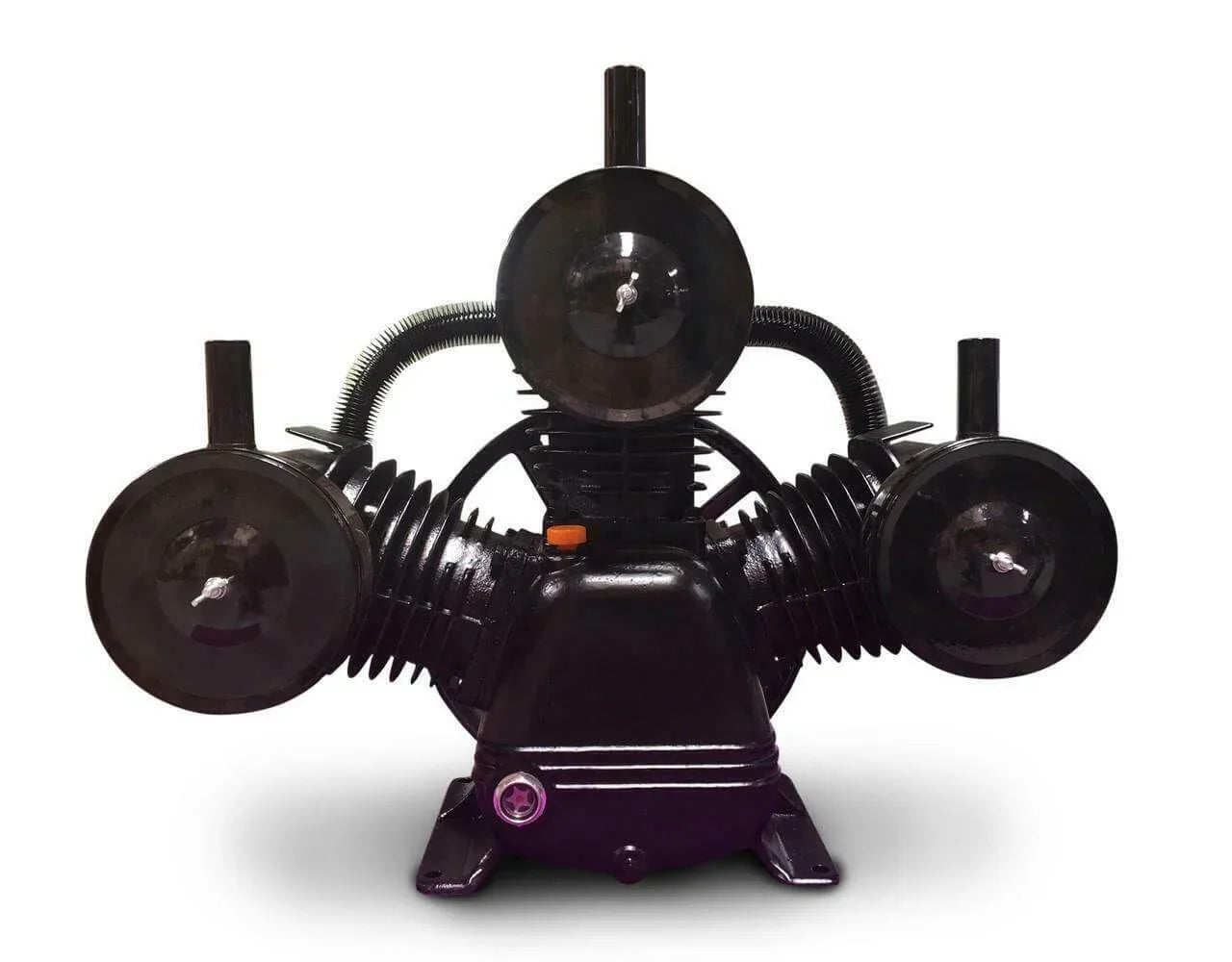
Air Compressor Pump Selection — Single Stage vs Two Stage
The first choice when selecting a replacement or new-build pump head is single-stage vs two-stage. This determines both the maximum pressure and the efficiency at your working pressure.
Single-Stage
✓ Max pressure: 115–120 PSI (8 bar)
✓ Delivery: 10–42 CFM (283–1,190 L/min)
✓ Tank size: 55–150 L
✓ Best for: general workshop air tools, tyre inflation, spray painting
From AU$171.70
Two-Stage
✓ Max pressure: 175 PSI (12 bar)
✓ Delivery: 42 CFM (1,190 L/min)
✓ Tank size: 150–250 L
✓ Best for: impact wrenches, sandblasting, sustained high-pressure industrial use
From AU$1,249.00
CFM ratings are at pump outlet (unloaded). Delivered CFM to tools is approximately 15–20% lower after pressure regulation and line losses.
Which Pump Matches Your Motor?
1.5 kW / 2 HP motor
Light intermittent use
Pump: small single-stage | Tank: 55–70 L
2.2 kW / 3 HP motor
Regular workshop use
Pump: single-stage | Tank: 75–100 L
3 kW / 4 HP motor
Larger workshop, heavier duty
Pump: larger single-stage or entry 2-stage | Tank: 100–150 L
5.5–7.5 kW motor
Continuous industrial use
Pump: heavy-duty 2-stage | Tank: 150 L+
Power sizing rule: Always use the power rating stamped on the pump plate, not a generic estimate. That figure is the minimum motor kW required at full load — installing a smaller motor causes premature thermal overload.
CFM to L/min Conversion — Australian Air Tool Reference
Australian air tool specifications use both CFM (cubic feet per minute) and L/min (litres per minute). 1 CFM = 28.3 L/min.
| Air Tool | CFM | L/min | Pump Type |
|---|---|---|---|
| Tyre inflator / blow gun | 1–3 CFM | 28–85 L/min | Single-stage |
| Air ratchet / die grinder | 4–6 CFM | 113–170 L/min | Single-stage |
| Impact wrench (1/2") | 5–8 CFM | 142–227 L/min | Single-stage |
| Spray gun (HVLP) | 6–12 CFM | 170–340 L/min | Single-stage |
| Impact wrench (3/4") | 10–15 CFM | 283–425 L/min | 2-stage preferred |
| Sandblaster (medium) | 15–25 CFM | 425–708 L/min | 2-stage required |
Not suitable if:
You need an oil-free pump. These are oil-lubricated cast iron pumps — oil carry-over in air is normal for general workshop use but not acceptable for food, medical, or clean-room applications. For oil-free air, contact us for a separate recommendation.
Air Compressor Pump FAQ
How do I know if I need a single-stage or two-stage pump?
If your air tools run at 90 PSI or below (most impact wrenches, spray guns, ratchets), a single-stage pump at 115 PSI is sufficient. If you run sandblasting equipment, high-pressure testing, or industrial tools requiring sustained pressure above 120 PSI, choose a 2-stage pump rated to 175 PSI. Two-stage pumps also run cooler at high pressure because compression is split across two cylinders, which extends pump life in continuous-duty applications.
Can I use this pump as a direct replacement for my existing compressor head?
Yes, for most standard workshop compressors. Check three things before ordering: (1) the pump's CFM and pressure rating must match or exceed your existing pump; (2) the flange bolt pattern and tank port size must match your tank; (3) the pump's required motor kW must match your existing motor. Send us your existing pump's nameplate details or brand/model and we'll confirm compatibility. Email hankemotors@gmail.com with a photo of the pump plate.
Are these pumps suitable for three-phase and single-phase motors?
Yes. The pump itself is motor-agnostic — it connects via a belt drive or direct coupling to any appropriately-sized motor. Three-phase motors are preferred for continuous duty compressor use (smoother starting, lower running current, longer life). Single-phase motors work for intermittent use. If running single-phase, ensure the motor has a capacitor-start winding to provide adequate starting torque for the compressor's unloaded start.
Why cast iron instead of aluminium for the pump head?
Cast iron pump heads retain heat better during warm-up (reducing condensation inside the cylinders), resist wear longer under continuous operation, and handle the thermal cycling of Australian summer conditions more reliably than aluminium alloy heads, which are prone to warping at sustained high temperatures. Cast iron pumps weigh more but typically outlast aluminium equivalents by a significant margin in workshop environments.
What maintenance do these pumps require?
Oil-lubricated cast iron pumps require: (1) oil level check before each use — use SAE 30 non-detergent compressor oil; (2) oil change every 250–500 hours of operation or annually; (3) intake filter cleaning every 3 months in dusty environments; (4) tank drain valve opened daily to drain condensation (failure to drain causes tank corrosion). Belt tension should be checked every 6 months on belt-drive models.