Air Compressor

Leading air compressor supplier throughout the entire Melbourne

HankeMotor is a Melbourne-based company with ten years of history focused on air compressors and electric drive solutions. We supply trusted air compressors to trades, workshops, fabrication shops along with 12–24-month warranty (terms apply). Our air compressors are independently designed for Australian use which better support local working conditions. We also apply local stock and pickup for emergency situations. 

Different types of air compressor we offer

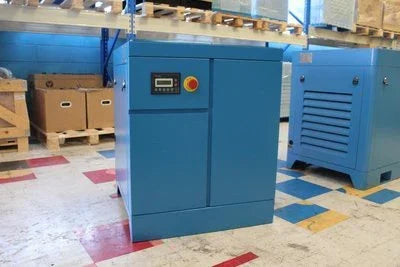
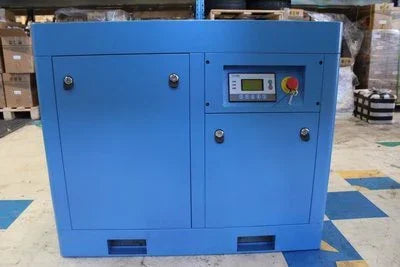
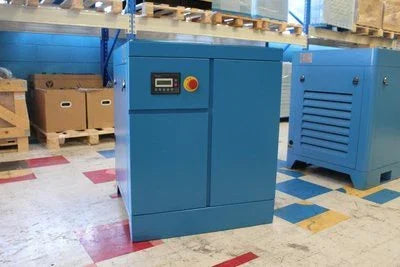
Rotary type compressor

This model is designed for stable airflow, lower noise, and long duty cycles. Ideal for working environments with continuous air demand, multiple tool requirements, spraying and painting, and light manufacturing.

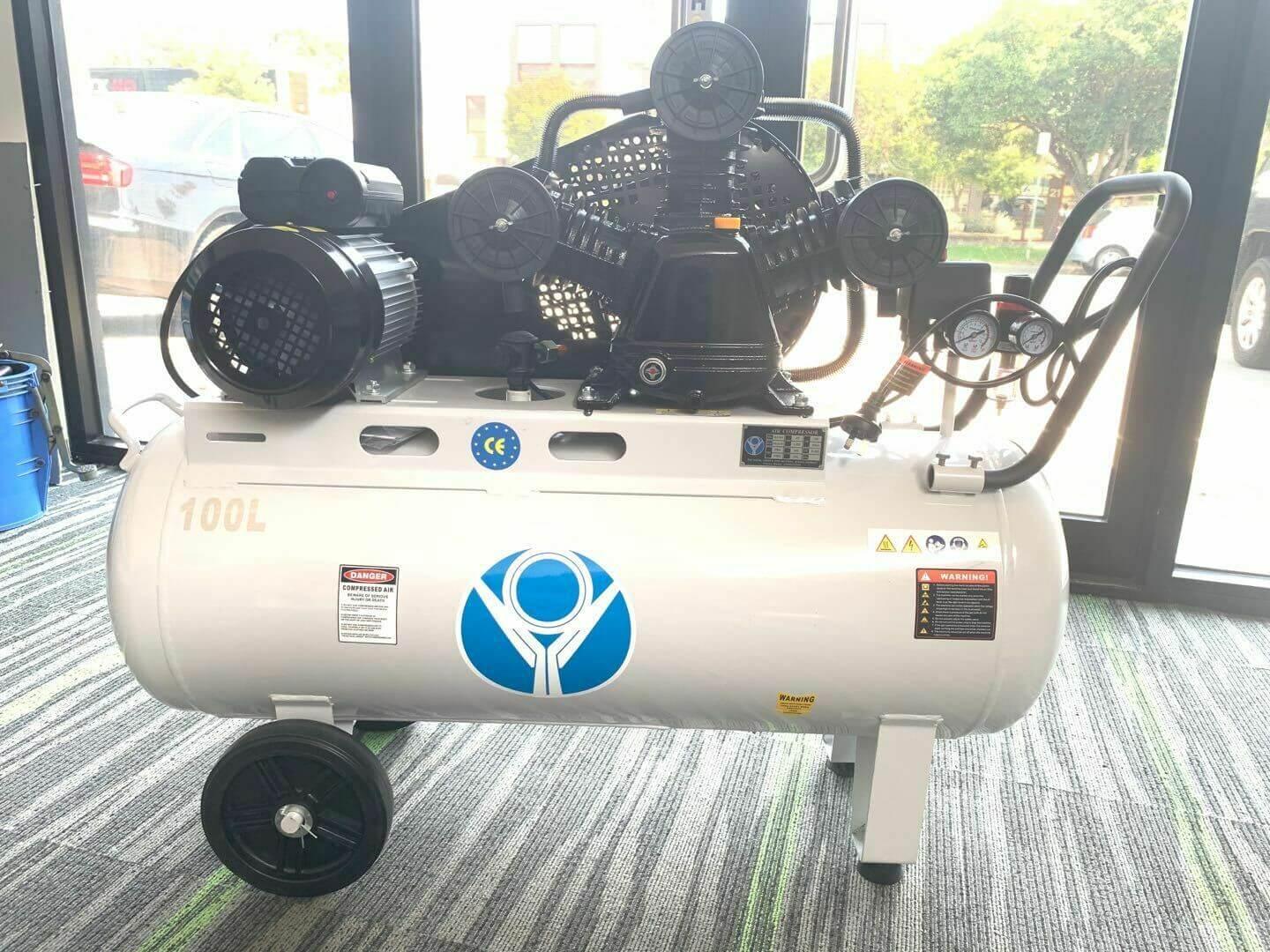
Piston compressor

This model is easy to maintain which is great for intermittent use and budget friendly. Can be used in home garages, small tyre shops to support air tools. They are also available for indoor usage based on its quiet and oil-free design. 


Key points when buying an air compressor

  • Purpose and usage
  • Airflow and pressure requirements
  • Power source
  • Tank size
  • Noise level

Why Choose HankeMotor’s Air Compressor?

-              Durable Build

Each compressor is constructed with reinforced tanks and other parts that will handle all tough working environments

-              High output pumps

Our compressors use efficient pumps that can support both light and heavy duty with its superior CFM ratings

-              Low Noise Operation

The nose-reducing design helps create a quiet working environment which makes it ideal for indoor spaces

-              Short Recovery Time

Less waiting time is required for it makes it suitable for fast-paced environments

Read more
Filter1 - 12 of 22 results
Sort by Best selling

HankeMotor stocks single phase 240V piston (reciprocating) air compressors for Australian workshops, farms, panel shops, and trade use. All units are dispatched from our Glen Waverley, Victoria warehouse with same-day or next-day shipping. The piston range covers complete compressor units and replacement pump heads — the two most common purchase scenarios we see from Australian customers.

CFM Demand by Tool Type: Size Before You Buy

The single most common mistake when buying a compressor is sizing by motor kW instead of by free-air delivery (FAD) in CFM. Your compressor's FAD must exceed the combined demand of every tool running at the same time. A 2.2kW motor is meaningless if the pump produces less air than your spray gun needs.

Tool Typical CFM at 90 PSI Minimum Tank (L) Notes
Tyre inflator / blow gun 1–2 CFM 24L+ Any compressor suits
Brad nailer / stapler 0.5–1 CFM 6L+ Very low demand — burst use only
Impact wrench (1/2") 4–5 CFM 50L+ Intermittent bursts; 50L tank handles most jobs
Die grinder 4–6 CFM 50L+ Sustained draw; pump must keep up
HVLP spray gun (single) 6–14 CFM 100L+ Continuous demand; most demanding single tool
Air chisel / nibbler 3–4 CFM 50L+ Intermittent; 50L suits most bodywork use
Sandblasting (light cabinet) 8–15 CFM 100–150L+ Sustained high draw; 240V single phase may limit FAD
Production sandblasting 50–100+ CFM 300L+ Requires three-phase supply and rotary screw compressor


Add the CFM of all tools running simultaneously, then add 25% margin to account for hose friction, fittings, and duty cycle reserve. If your total is above 16 CFM, you have reached the practical limit of single phase 240V power — see the three-phase rotary screw range for higher FAD requirements.

Tank Size, Duty Cycle, and What 50% Means in Practice

Piston compressors must not run continuously — the pump generates heat under load and requires rest periods. The industry standard for piston compressors is a maximum 50–75% duty cycle: run no more than 30–45 minutes in every hour under sustained load. Tank size determines how long you can use tools before the pump cycles back on. A larger tank also means fewer pump start-stop cycles per hour, extending pump life significantly:

Tank Size Typical Use Case Pump Cycle Behaviour Right For
50–75L Single tool, intermittent use Pumps frequently (every 1–2 min during use) Impact tools, tyre work, brad nailing
100–150L Workshop, 1–2 tools simultaneously Moderate cycling; pump can keep up with sustained use Spray painting, body panel work, general trade
200–300L Busy workshop, light production Long draw-down before pump cycles; better pump life Multiple tools, sandblasting cabinet, farm use
500L Large workshop; used with higher-kW pump Minimal cycling; large reserve for burst demand Production spray, sustained multi-tool use


HankeMotor stocks 300L and 500L vertical air receivers as standalone tanks that can be added to any compressor installation to extend reserve capacity and reduce pump cycling. If your existing compressor pumps too frequently, adding a second tank in parallel is a low-cost fix before replacing the whole unit.

Single Phase 240V vs Three Phase 415V: The Practical Ceiling

Single phase 240V power limits the practical FAD ceiling to approximately 16–18 CFM for Australian workshop supply. Above this point, the motor draw requires three-phase 415V supply and the correct circuit protection. If your site has single-phase supply only and you need more than 16 CFM continuous air, there is no practical single-phase solution — a phase converter or supply upgrade is required.

  • Single phase 240V — suits workshops with standard power supply. Compressors up to approximately 2.2–3kW motor. Plug-in or hardwired. Up to ~12–15 CFM FAD.
  • Three phase 415V — required for compressors 3kW+ and for rotary screw units. Needs licensed electrician to connect. Higher FAD for production or sustained multi-tool use.

If your workshop is on single-phase only and needs more than 15 CFM, the correct solution is two separate single-phase compressors with separate circuits running in parallel into a shared manifold — not an oversized single-phase unit. Call 0401 634 280 to discuss your specific requirement.

Replacement Pump Heads: Matching Shaft and Port Sizes

A common purchase is a replacement pump head for an existing tank and motor. Two compatibility checks are non-negotiable before ordering:

  • Motor shaft diameter — the pump drive pulley must match the motor shaft. Common shaft sizes: 19mm (1.5–2.2kW motors), 24mm (2.2–3kW compressor-duty motors). Mismatched shafts require a different pulley or adapter — this is the most common compatibility error.
  • Port thread and size — the pump outlet port must match your manifold or pressure switch thread. Australian piston compressors typically use BSP (British Standard Pipe) threads, not NPT (American). Check the existing pump port before ordering a direct replacement.

HankeMotor's air compressor pump range includes 12 CFM (2.2kW suit) and 15 CFM (3kW/4HP suit) heads in stock at Glen Waverley.

When a Piston Compressor Is the Wrong Choice

Do not buy a piston compressor if:

  • Your compressor needs to run more than 45 minutes per hour — a piston unit will overheat and fail prematurely. You need a rotary screw.
  • Your application is a spray booth with multiple spray guns running simultaneously — the FAD requirement will exceed single-phase limits and 100% duty cycle is essential.
  • Noise is critical — piston compressors are 80–90 dB in operation. Rotary screw units run at 60–75 dB and are common in office-adjacent workshops and showrooms.
  • Your site is on three-phase power and your budget allows it — a rotary screw is almost always a better long-term investment for three-phase sites.

See HankeMotor's rotary screw air compressor range for 100% duty cycle industrial options.

What PSI does a workshop need?

Most workshop air tools require 90 PSI (6.2 bar) at the tool. Compressor tank pressure is set higher — typically 120–135 PSI (8.3–9.3 bar) — to allow the pressure to drop during use while staying above tool minimum. For sandblasting requiring 100 PSI at the nozzle, set the compressor regulator to 120 PSI minimum. For spray painting, most HVLP guns operate at 25–30 PSI at the gun after the regulator. 

How do I know if my existing compressor pump needs replacing?

Three clear indicators: (1) the pump runs continuously but tank pressure never reaches the cut-off pressure (typically 120–135 PSI), indicating worn rings or valves; (2) excessive oil blowby — oil mist visible at the outlet or contaminating tools; (3) the pump runs hot enough to trip thermal protection within minutes of starting. On a pump older than 5 years in daily use, a replacement pump head is almost always cheaper than rebuilding.

Can I use an air compressor for spray painting a car?

Yes, but the compressor must deliver enough sustained CFM to keep up with the spray gun. A single HVLP spray gun draws 6–12 CFM at 25–30 PSI gun pressure. A 50L tank compressor at 8 CFM FAD cannot sustain this — you will run dry mid-panel. For single-stage car painting, minimum 10–12 CFM FAD with at least 100L tank. For a full professional spray booth, 20+ CFM from a rotary screw is the industry standard. 

For help matching the right compressor to your application: 0401 634 280 | hankemotors@gmail.com | Unit 1, 28 Aristoc Road, Glen Waverley VIC 3150.

Related: Rotary Screw Air Compressors | Air Compressor Pump Heads | Refrigerated Air Dryers | Single Phase Motors 240V

Air Compressor FAQ

Can I replace the pump on my HankeMotor air compressor?
Yes, we also sell replacement air compressor pumps that fit most tanks. Make sure you check compatibility based on mounting type, RPM, and airflow needs before you purchase.
What’s the difference between single-stage and two-stage air compressors?
  • Single-stage: Compresses air once, suitable for tools needing up to 125 PSI.
  • Two-stage: Compresses air in two steps, reaches up to 175 PSI, ideal for heavy-duty and continuous use.
What maintenance is required?
Check oil levels, clean the air filter, drain condensation from the tank, and inspect belts regularly. If you would like further support, please feel free to contact our support team.